For decades, Black Friday occupied a singular, high-stakes position in global commerce. It was characterized by midnight doorbusters, long physical queues wrapping around retail blocks, and intense surges of foot traffic as shoppers competed for limited doorbuster inventory. However, over the past decade, a quiet structural revolution has completely transformed this cultural phenomenon. Black Friday has evolved from a chaotic 24-hour physical shopping event into an extended, highly strategic, digital-first promotional season.
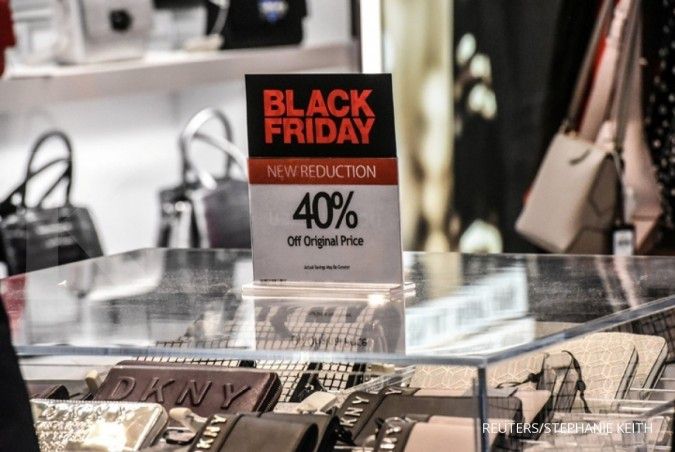
Driven by sophisticated e-commerce algorithms, real-time inventory management, predictive logistics, and shifting consumer behavior, today’s Black Friday demands a fresh perspective. Understanding how this annual event has matured allows modern shoppers to navigate holiday promotions with clarity, precision, and financial discipline.
1. The Elongated Promotional Calendar and Algorithmic Pricing
The traditional construct of Black Friday as a single day of sales in late November is officially obsolete. Modern retailers now initiate promotional cycles weeks in advance, creating an extended shopping window that stretches across the entire month.
This calendar extension is governed by complex backend mechanics:
- Phased Deal Rollouts: Retailers release discounts in controlled waves across specific categories rather than dropping all markdowns at once. Consumer electronics, home appliances, apparel, and seasonal goods each follow calculated pricing timelines designed to balance logistics capacity.
- Dynamic Price Adjustments: E-commerce platforms utilize automated pricing engines that adjust display costs in real time. These algorithms evaluate competitor pricing, inventory volume, and regional consumer demand, causing prices to fluctuate multiple times throughout a single day.
- Baseline Price Realities: To evaluate whether a Black Friday deal represents genuine value, consumers must look beyond advertised percentage tags. True savings can only be measured against a product’s average selling price over the preceding six to nine months.
2. The Omnichannel Shift and Phygital Integration
The debate between physical shopping and digital e-commerce is no longer an either-or scenario. The modern Black Friday ecosystem relies on an integrated “phygital” model, where physical storefronts and digital platforms complement one another to streamline the buyer journey.
Retailers leverage omnichannel infrastructure to manage high transaction volumes efficiently:
- BOPIS (Buy Online, Pick Up In-Store): Consumers can secure limited-time promotional pricing online while opting for local store pickup, avoiding shipping delays and high delivery fees while reducing return risks.
- App-Exclusive Promotions and Mobile Wallets: Retailers encourage mobile application adoption by offering exclusive early-access windows, digital coupons, and frictionless mobile checkout options to app users.
- Interactive Store Inventories: Physical stores now double as local fulfillment micro-hubs. Real-time inventory tracking allows shoppers to verify exact item availability at nearby locations before leaving home.
3. High-Utility Target Categories versus Tactical Traps
Not all product categories receive equal price reductions during the holiday sales window. Navigating Black Friday effectively requires recognizing where retail profit margins allow for authentic price rollbacks versus where discounts are purely cosmetic.
A strategic approach involves categorizing planned purchases based on historical value patterns:
- High-Value Discount Categories: Major home appliances, previous-generation flagship electronics, smart home automation hubs, television displays, and winter apparel routinely see deep, genuine price cuts as merchants clear warehouse space for incoming inventory lines.
- Low-Margin or Bundle-Oriented Categories: Current-generation mobile phones, newly released gaming consoles, and luxury designer goods rarely experience direct, steep price cuts. Instead, retailers often offer promotional gift cards or accessory bundles to maintain perceived product value.
- Derivative Product Models: Certain doorbuster electronics are manufactured specifically for holiday promotion cycles. These derivative models may feature lower component specifications, reduced port availability, or shorter warranty periods compared to standard flagship models.
4. Digital Security, Fraud Prevention, and Conscious Consumption
As transaction volumes surge online during peak shopping events, cybersecurity risks increase significantly. Protecting personal financial information and maintaining a clear budget are essential components of modern holiday shopping.
Implementing smart security habits protects both financial assets and peace of mind:
- Verifying Digital Storefronts: Phishing campaigns and malicious lookalike websites attempt to mimic major brand interfaces. Double-checking website domain URLs, verifying secure payment gateways, and ignoring unverified links in unsolicited promotional emails prevents identity compromise.
- Utilizing Virtual Payment Methods: Paying through virtual credit card numbers or established third-party payment gateways provides a protective buffer between personal bank accounts and online retail databases.
- Adopting Intentional Shopping Habits: The abundance of flash sales and countdown timers is designed to induce impulse buying. Maintaining a pre-planned shopping list and setting strict category budgets helps consumers avoid unnecessary purchases.
Conclusion
The transformation of Black Friday reflects a broader evolution in global retail and consumer behavior. The event is no longer defined by chaotic physical rushes or impulse buying frenzies, but by algorithmic timing, omnichannel convenience, and strategic planning.
By understanding the extended promotional timeline, recognizing dynamic pricing models, prioritizing high-utility product categories, and maintaining digital security, modern consumers can approach the season with confidence. When navigated with analytical intent, Black Friday remains a valuable opportunity to make meaningful, cost-effective purchases that align with long-term household needs.